The Essential Benefits of Professional Scaling and Polishing for Oral Health
Maintaining a bright, healthy smile requires more than just brushing your teeth daily. Even with diligent brushing, plaque and tartar can build up in hard-to-reach areas, leading to dental problems over time. Professional scaling and polishing offer a deeper clean that protects your teeth and gums beyond what regular brushing can achieve.
Why Brushing Alone Is Not Enough
Brushing your teeth twice a day is essential for oral hygiene, but it cannot remove all plaque and tartar. Plaque is a sticky film of bacteria that forms on teeth, and if not removed, it hardens into tartar. Tartar firmly attaches to teeth and cannot be removed by brushing or flossing at home.
Tartar buildup often occurs in areas that are difficult to clean, such as between teeth and along the gum line. This buildup can cause inflammation, gum disease, and even tooth decay if left untreated. Professional cleaning targets these problem areas to prevent long-term damage.
What Is Scaling and Polishing?
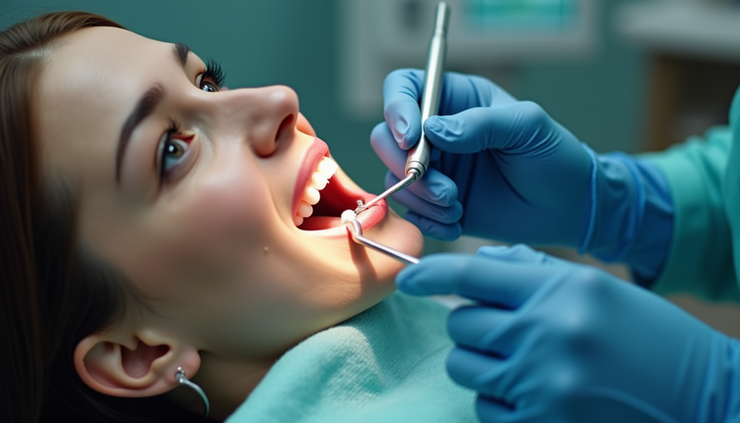
Scaling is a dental procedure that removes plaque and tartar from the tooth surfaces and beneath the gums. Dentists or dental hygienists use special instruments to carefully scrape away hardened deposits.
Polishing follows scaling and smooths the tooth surfaces. This step removes stains and leaves teeth feeling clean and smooth. Polishing also makes it harder for plaque to stick to teeth, helping maintain oral health between visits.
Key Benefits of Professional Cleaning
Prevents Gum Disease
Removing tartar reduces the risk of gingivitis and periodontitis, which can cause gum recession and tooth loss.
Improves Breath
Plaque and tartar harbor bacteria that cause bad breath. Professional cleaning eliminates these bacteria sources.
Enhances Appearance
Polishing removes surface stains from coffee, tea, and smoking, restoring a brighter smile.
Protects Overall Health
Research links gum disease to heart disease, diabetes, and other health issues. Keeping gums healthy supports overall wellbeing.
How Often Should You Get Scaling and Polishing?
Most dental professionals recommend scaling and polishing every six months. However, the frequency may vary depending on individual oral health. People prone to gum disease or heavy tartar buildup might need more frequent cleanings.
Regular dental visits allow your dentist to monitor your oral health and catch problems early. They can also provide personalized advice on maintaining your teeth between appointments.
What to Expect During the Procedure
Scaling and polishing are generally painless, though some people may experience mild sensitivity. The dental professional will:
Examine your mouth and gums
Use ultrasonic or manual tools to remove plaque and tartar
Polish teeth with a gritty paste to smooth surfaces
Rinse and floss to remove debris
The entire process usually takes 30 to 60 minutes, depending on the amount of buildup.
Tips to Maintain Results After Cleaning
Brush teeth twice daily with fluoride toothpaste
Floss daily to remove plaque between teeth
Limit sugary and acidic foods that promote decay
Avoid tobacco products that stain teeth and harm gums
Use an antibacterial mouthwash if recommended by your dentist
Following these habits helps keep your teeth clean and reduces the need for frequent professional cleanings.
Professional scaling and polishing provide a thorough clean that daily brushing cannot match. They protect your teeth and gums from disease, improve your smile’s appearance, and support your overall health. Scheduling regular dental cleanings is a simple step with lasting benefits for your oral hygiene.


Comments