Unexpected Habits That Can Harm Your Teeth and Smile
- Nov 12, 2025
- 3 min read
Your smile is one of the first things people notice, yet many everyday habits quietly damage your teeth without you realizing. These habits can cause enamel erosion, tooth sensitivity, and even cavities over time. Understanding these hidden dangers helps you protect your oral health and keep your smile bright.
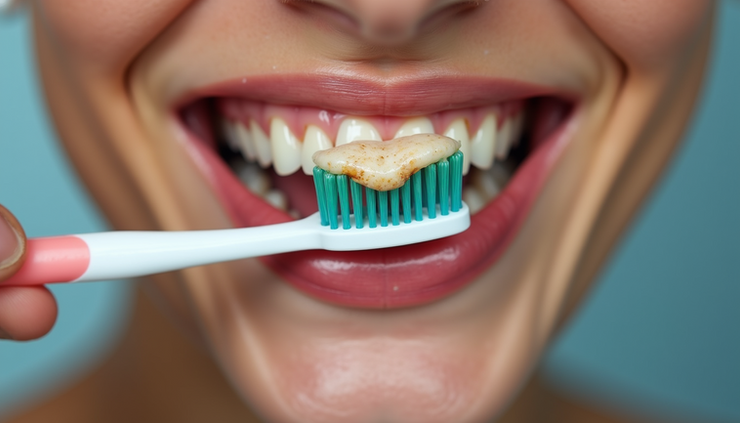
Brushing too hard can wear down enamel and harm your teeth.
Brushing Too Hard or Using the Wrong Technique
Many people think brushing harder cleans better, but it actually damages your teeth and gums. Using a hard-bristled toothbrush or applying too much pressure wears away enamel and irritates gums. This can lead to tooth sensitivity and gum recession.
Tips for better brushing:
Use a soft-bristled toothbrush
Hold the brush at a 45-degree angle to your gums
Use gentle, circular motions instead of scrubbing back and forth
Brush for two minutes twice a day
Grinding and Clenching Your Teeth
Grinding or clenching your teeth, often during sleep or stressful moments, puts excessive pressure on your teeth. This habit, called bruxism, can cause cracks, chips, and worn-down teeth. It also leads to jaw pain and headaches.
If you notice jaw soreness or flattened teeth, talk to your dentist. They may recommend a custom night guard to protect your teeth while you sleep.
Using Your Teeth as Tools
Teeth are strong but not designed to open packages, crack nuts, or hold objects. Using them as tools can cause chips, fractures, or even tooth loss.
Avoid biting nails, tearing tags, or opening bottles with your teeth. Instead, use scissors, nutcrackers, or bottle openers to protect your smile.
Frequent Snacking on Sugary or Acidic Foods
Eating sugary snacks or drinking acidic beverages frequently exposes your teeth to harmful substances that erode enamel and feed cavity-causing bacteria. Sipping soda, fruit juices, or energy drinks throughout the day increases the risk of decay.
To reduce damage:
Limit sugary and acidic foods and drinks
Drink water after consuming them to rinse your mouth
Chew sugar-free gum to stimulate saliva, which neutralizes acids
Ignoring Dry Mouth Symptoms
Saliva plays a crucial role in protecting teeth by washing away food particles and neutralizing acids. Dry mouth reduces saliva flow, increasing the risk of tooth decay and gum disease.
Dry mouth can result from medications, dehydration, or medical conditions. If you experience persistent dryness, talk to your healthcare provider. Drinking water regularly and using saliva substitutes can help.
Using Whitening Products Incorrectly
Whitening toothpaste and strips can brighten your smile but overusing them or applying them incorrectly damages enamel and irritates gums. Some products contain harsh chemicals that cause sensitivity.
Follow product instructions carefully and consult your dentist before starting any whitening treatment. Professional whitening is safer and more effective for many people.
Skipping Regular Dental Checkups
Even if you practice good oral hygiene, skipping dental visits allows small problems to grow unnoticed. Dentists detect early signs of decay, gum disease, and other issues before they cause serious damage.
Schedule dental checkups every six months. Professional cleanings remove plaque buildup that brushing alone cannot eliminate.
Conclusion
Many common habits quietly harm your teeth and smile without obvious signs. Brushing too hard, grinding teeth, using teeth as tools, frequent sugary snacking, dry mouth, improper whitening, and skipping dental visits all contribute to dental problems.
Protect your smile by adopting gentle brushing techniques, managing stress to reduce grinding, avoiding harmful uses of teeth, limiting sugary and acidic foods, staying hydrated, using whitening products responsibly, and visiting your dentist regularly.

Comments